DISC BRAKES

Frontline Automotive • April 4, 2022

Share this article

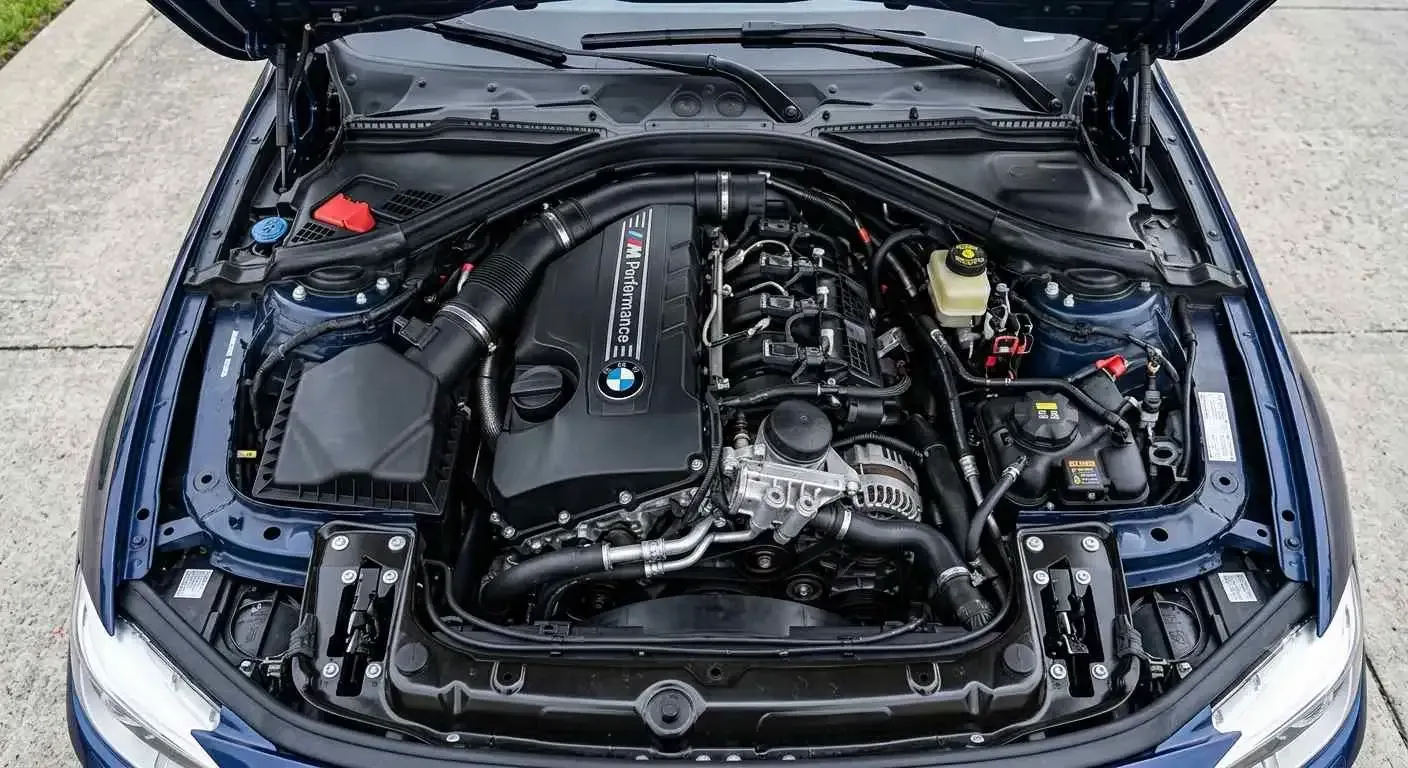
Your brakes are extremely important.  Having good brakes just keeps you out of trouble.  You’ll want to carefully maintain your brakes.  With disc brakes, brake pads rub on a disc – or rotor – to slow the wheels.  The pads are attached to a caliper that squeezes the pads against the rotor.  It’s kind of like how squeezing the handbrake on a bicycle pushes the brake pads against the wheel of the bike.

Now pads just wear away with use – kind of like a pencil eraser wears out.  The good news is that replacing brake pads is a straight-forward repair.

If you hear squealing or grinding when you use the brakes, have your service advisor check them out.  He’ll have a technician perform a thorough brake inspection to see what needs to be done.  He’ll check for signs of brake problems and go over other brake components to see that they’re working properly.

He can tell you if it’s time to replace the pads or if there are other issues with your brakes that should be addressed.  Some people ignore the warning signs and keep driving long after the pads are completely worn out.  When that happens, metal brake components will grind on the rotor, damaging it enough that it needs to be resurfaced or replaced.

Rotors can also warp or crack, in which case they’ll need to be replaced.  Brake calipers also wear out over time.  They can develop leaks, or the caliper pistons can freeze open or closed – either way it’s not good.  When this happens it’s time to replace the calipers.  A thorough brake inspection will reveal worn bearings or seals as well.

The new pads we put on your vehicle will restore your brakes to manufacturers’ specifications.  Or, we can install upgraded parts to increase your stopping power and reduce brake noise and brake dust.  We have several options to meet your braking requirements and your budget.

Taking care of your brakes keeps them working safely – and you could prevent premature brake repairs down the road.

Give us a call

Recent Posts

By Frontline Automotive • August 6, 2026
Most drivers assume they need to understand engines, transmissions, or complicated diagnostics to take good care of their vehicle. The truth is, you don't have to be a mechanic to...
By Frontline Automotive • April 9, 2026
If you had to name the most important safety feature on your vehicle, what would you choose?
By Frontline Automotive • March 23, 2026
At FrontLine Automotive in Fairbanks, Alaska, we see a lot of driveline issues—especially with the rough roads, extreme temperatures, and seasonal conditions we experience here...
By Frontline Automotive • March 8, 2026
Batteries are a big part of everyday life here in Fairbanks, Alaska . Think about it—how many battery chargers do you have in your home right now? Phones, laptops, flashlights...

By Frontline Automotive • July 11, 2022
Brakes that work properly are essential to your safety as you drive and stop on our Fairbanks streets. You want to carefully maintain your brakes . In vehicles equipped with drum...
By Frontline Automotive • May 13, 2022
Your vehicle weighs several thousand pounds and it takes a lot of force to bring it and your passengers to a safe stop – so everything needs to be in good working order.
By Frontline Automotive • March 23, 2022
A recent report stated that over 80% of the vehicles on the road have one or more service item or repair that's needed but hasn't been taken care of. Now that's a lot of undone...
By Frontline Automotive • September 21, 2021
Summer is always packed full of fun in Alaska! We enjoy getting out, taking advantage of the sunny weather, and being a part of our community. In August, our Auto Care group...

By Frontline Automotive • March 12, 2021
Many people hear the term “oxygen sensor" and figure it must have something to do with sensing oxygen. But they don’t really know much beyond that. Let’s break it down; your...
By Frontline Automotive • January 19, 2021
You probably have a cabinet in your kitchen filled with pots and pans. Your vehicle has one very important pan in it as well. It's the pan that holds oil for your engine called...

Show More